The Donghua That Actually Crossed Borders
Most donghua never leave China. Of the hundreds of series produced every year, only a handful build genuine international audiences — not a few thousand curious anime fans on Reddit, but millions of viewers across Southeast Asia, Latin America, the Middle East, and (occasionally) North America and Europe. The five series below are the ones that actually did it. Not based on potential. Not based on critical acclaim. Based on real numbers: YouTube subscriber counts, Netflix ranking data, regional chart positions, and the kind of organic fan activity that can't be bought.
Some of these will surprise you. The #1 show on this list barely registers among Western anime communities. That's not a bug. That's the whole point of looking at global data instead of English-language Twitter.
Soul Land (Douluo Dalu)
斗罗大陆 · YouTube 5.8M Subs · Dominates SEA + LATAM
YouTube Subs
Thailand Charts
Vietnam Charts
Episodes
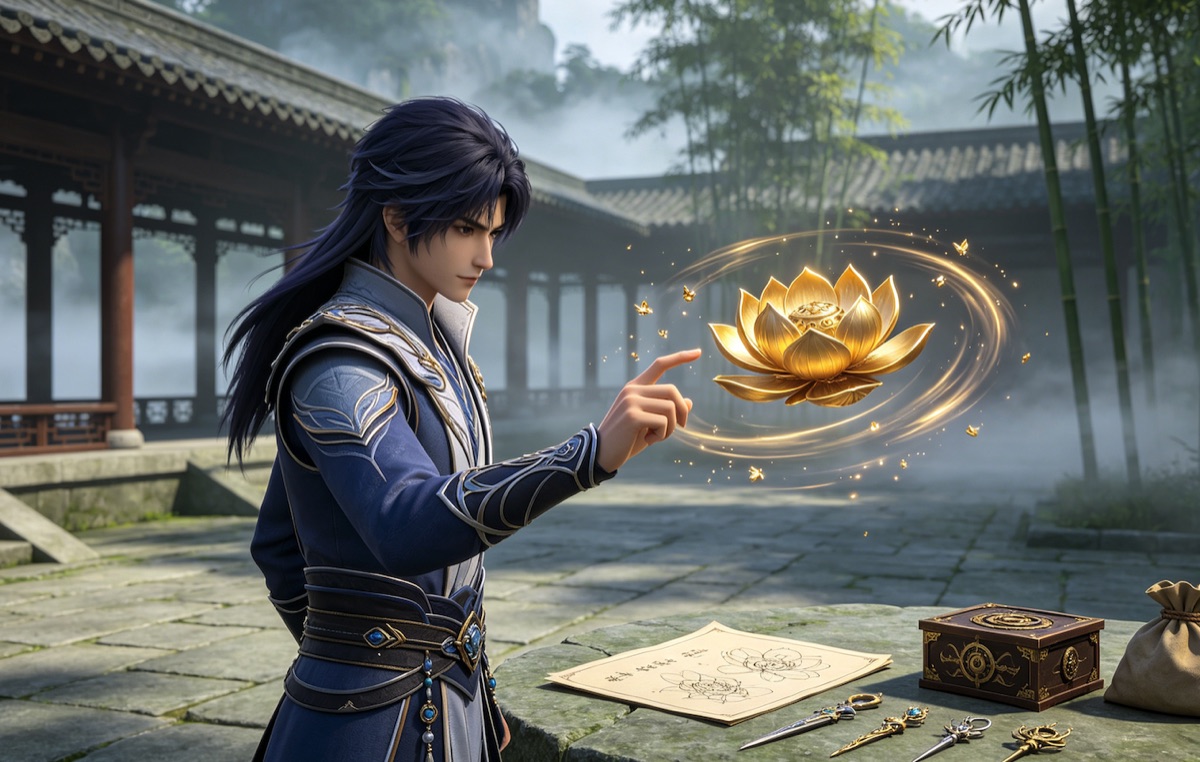
Let's put 5.8 million YouTube subscribers in context. That's more than the official channels of most seasonal anime. It's more than many Hollywood franchise channels. And Soul Land built this audience almost entirely through word-of-mouth in regions that Western entertainment media consistently ignores: Thailand, Vietnam, Malaysia, Indonesia, Brazil, Mexico. These are not "emerging markets." These are markets where Soul Land already won.
The Secret: Accessibility Without Condescension
Soul Land's worldbuilding is the key to its global reach. Tang San's journey — from hidden-weapon prodigy to spirit-master cultivator — operates on a framework that is intuitive without being simplistic. Spirit rings. Spirit beasts. Spirit bones. The system has clear rules, clear progression, and clear stakes. A 14-year-old in Bangkok understands it as easily as a 14-year-old in Chengdu. There is no assumed knowledge of Daoist philosophy, no classical Chinese poetry references, no cultural inside jokes that require translator's notes.
This is not an accident. Tang Jia San Shao, the author, built his career on accessible epic fantasy — the kind of storytelling that works in any language because its emotional beats (friendship, rivalry, sacrifice, triumph) are universal. The Shrek Seven Devils are an archetype that transcends culture: a found family of misfits who grow stronger together. You don't need to understand Chinese cultivation tropes to feel something when Xiao Wu sacrifices herself. You just need to have a heart.
The Weakness Western Fans Need to Understand
If you're reading this from North America or Europe, you may have tried Soul Land and bounced off. That's not a contradiction — it's the flip side of what makes the show work globally. Soul Land's accessibility comes at a cost: the storytelling is formulaic in ways that experienced anime viewers recognize immediately. Tournament arcs. Power-level reveals. Villains who monologue. The animation quality fluctuates across 300+ episodes (this is a year-run show, not a seasonal production). Western anime communities, trained on 12-episode seasonal masterpieces, often find the pacing punishing.
The lesson here is not "Western audiences are too sophisticated for Soul Land." It's that different global audiences want different things from donghua. Southeast Asian viewers, many of whom grew up with wuxia and xianxia dramas, recognize and appreciate the genre conventions that Western viewers find repetitive. The show is not failing to appeal to the West — it's succeeding wildly in regions that the West doesn't center.
Why it matters for you: If you want to understand donghua as a global phenomenon rather than a niche interest, start here. Watch the first 13 episodes. Pay attention to the spirit-ring system — it's the finest piece of gamified worldbuilding in the genre. And if the pacing gets to you, that's data too. It tells you something about what kind of viewer you are.
Scissor Seven
刺客伍六七 · Netflix Global · 190 Countries · 29 Subtitle Tracks
Countries
Subtitle Languages
Global Exclusive
Award Nominated
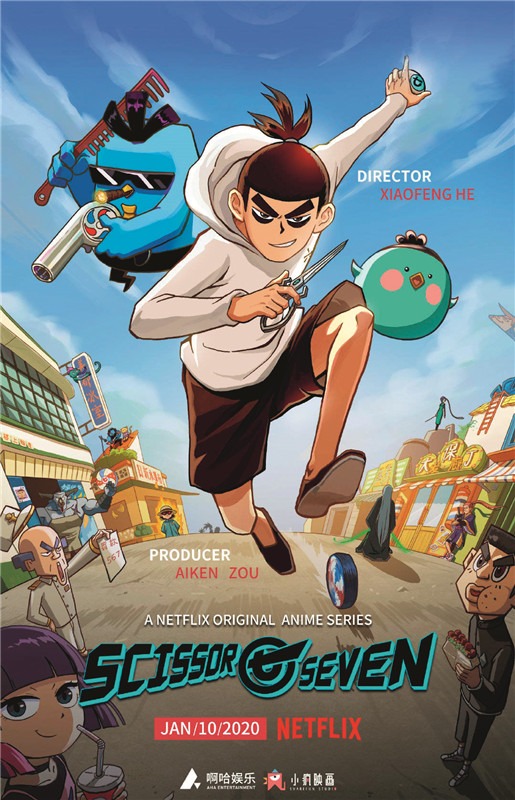
Scissor Seven is the only donghua with true Netflix global distribution — and that fact alone rewrites what's possible for Chinese animation internationally. In a landscape where most donghua struggle to get official English subtitles on a single platform, this scrappy, absurdist 2D comedy about an amnesiac hairdresser-assassin with a pair of scissors is available in 29 subtitle languages across 190 countries. It's not the most-watched donghua globally by raw numbers — Soul Land wins that on YouTube — but it's the most distributed, and that distinction matters.
The Formula: Zero Cultural Barrier + Maximum Heart
Here's what makes Scissor Seven work internationally in a way that xianxia epics don't: there is nothing to explain. You do not need to know what qi is. You do not need to understand the difference between a golden core and a nascent soul. The show's premise — a broke amnesiac takes assassination jobs he's terrible at, usually ends up helping his targets instead — is instantly legible to anyone who's ever watched a comedy. The humor is physical, visual, and character-driven. The action sequences, when they arrive, are shockingly fluid sakuga that rival any Japanese production. The emotional beats — loneliness, longing, the search for identity — land without translation.
This is also why Scissor Seven is the only donghua to receive an Annie Award nomination. The Annie Awards are voted on by the international animation industry, not by Chinese platforms. For a donghua to break through that barrier, it needed to speak a visual language that animators in Los Angeles, Tokyo, and Paris all understand. Scissor Seven does.
The Trade-Off
Scissor Seven's accessibility is also its limitation — at least in the context of donghua fandom. The show doesn't feel like "Chinese animation" to many viewers; it feels like "animation that happens to be Chinese." Its 2D style, episodic structure, and Western-friendly comedy are closer to Adventure Time or One Punch Man than to Battle Through the Heavens. For donghua purists who want cultivation and xianxia, Scissor Seven doesn't scratch that itch. For everyone else — including audiences who would never click on a cultivation donghua — it's the best entry point the industry has.
Why it matters for you: If someone tells you they "don't like donghua," show them Scissor Seven Season 1 Episode 1. If they're not laughing by the time Seven tries to cut a wedding cake with his giant scissors, donghua may genuinely not be for them. Also: watch in Chinese with subtitles. The Cantonese-inflected voice acting is half the charm.
A Mortal's Journey to Immortality
凡人修仙传 · Netflix Regional Charts · Hardcore Fan Favorite
Regional Top 10s
Strong Following
Cult Status
There is a specific kind of international viewer who discovers A Mortal's Journey and becomes evangelical about it. These are not casual viewers. They are the kind of people who write 3,000-word Reddit posts comparing cultivation systems across different web novels. They exist in Japan, Korea, the US, Germany, Brazil — small in number, but loud, dedicated, and disproportionately influential in shaping online discourse about donghua. A Mortal's Journey is their bible.
Why Han Li Resonates Internationally
The international appeal of A Mortal's Journey is almost the opposite of Soul Land's. Where Soul Land succeeds through simplicity and universal emotional beats, A Mortal's Journey succeeds through complexity and specificity. Han Li is not an everyman. His defining trait — paranoid-level caution, the kind that makes him stockpile escape talismans for fifty episodes before using one — is alienating to viewers who want a traditional hero. But for viewers tired of protagonists who win because the plot demands it, Han Li is a revelation.
The Netflix regional chart appearances tell the story. A Mortal's Journey doesn't dominate globally — it spikes in specific territories (Japan, Korea, Taiwan, Singapore) where audiences are already fluent in cultivation-genre conventions and hungry for a version that takes those conventions seriously. This is the show for people who have watched enough cultivation donghua to be bored by the formula and are looking for the version that treats the formula as a foundation for something smarter.
Why it matters for you: If you've watched Battle Through the Heavens or Soul Land and thought "this is fun but I wish it were smarter," A Mortal's Journey is your next step. The remastered Season 1 is on Bilibili's YouTube. Give it until Han Li leaves his sect — that's when the show reveals what it actually is.
Perfect World
完美世界 · SEA + Middle East + LATAM Evergreen · Viral Fight Clips
Core Region
Surprise Hit
Episodes
Short-Form Clips
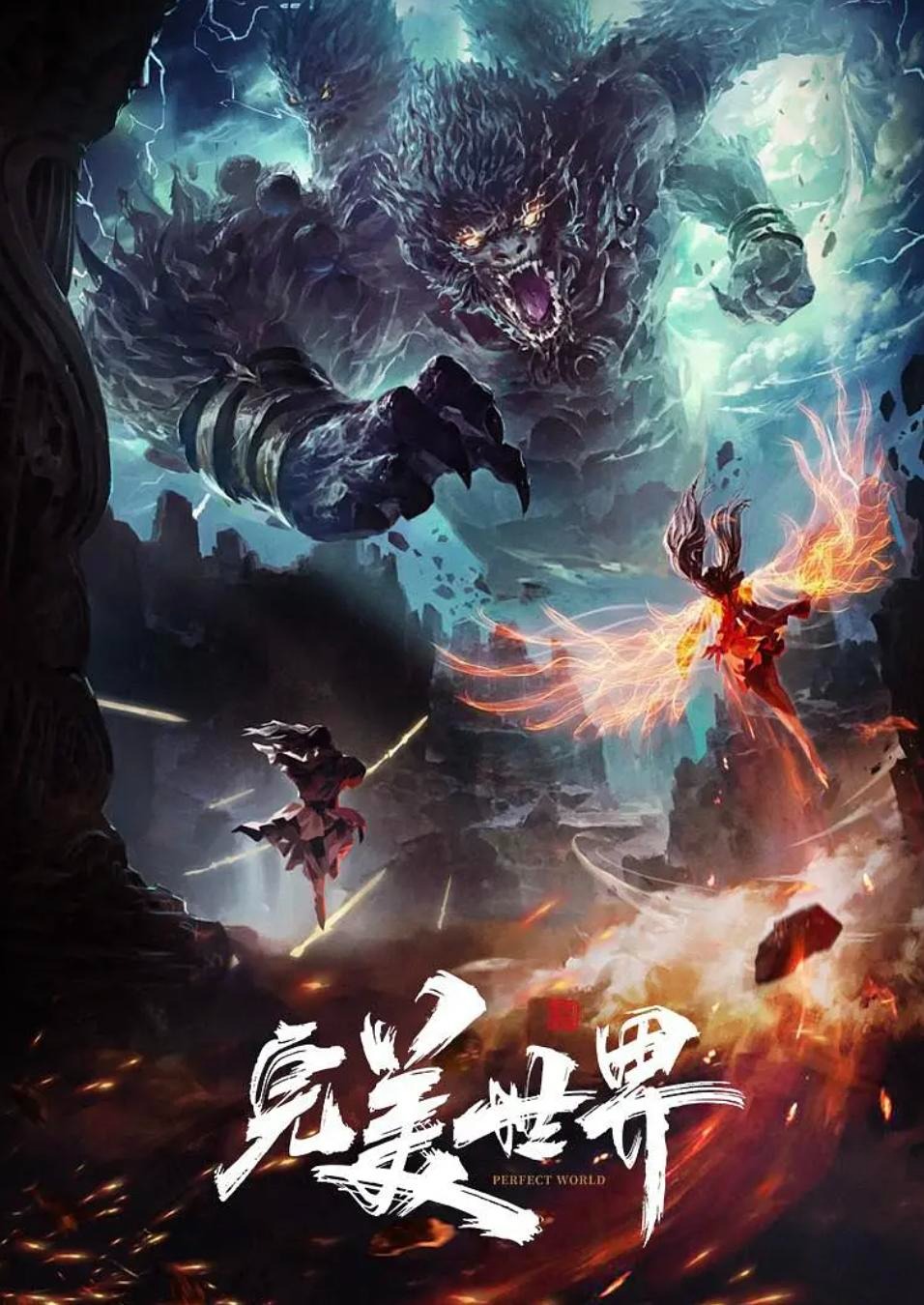
Perfect World's overseas success is the least documented and, in some ways, the most instructive. It doesn't have Soul Land's YouTube numbers. It doesn't have Scissor Seven's Netflix deal. What it has is the kind of organic, bottom-up popularity that spreads through TikTok clips, YouTube Shorts, and WhatsApp shares — the infrastructure of global fandom that exists entirely outside traditional metrics.
The TikTok Donghua
Perfect World's fight scenes are built for short-form sharing. Shi Hao's combat sequences — the stolen Supreme Bone, the stone village origins, the battles against increasingly terrifying gods — are choreographed with a density of impact frames and camera movement that compresses spectacularly into 30-second clips. A viewer in Saudi Arabia or Brazil who has never watched a full episode of donghua can encounter Shi Hao destroying a deity in a TikTok edit and feel the same visceral thrill as a fan who's watched all 200 episodes. The barrier to entry for the fight scenes is zero, and the fight scenes are everywhere.
The Middle East numbers are particularly striking — and under-analyzed. Perfect World consistently charts in Saudi Arabia, UAE, and Egypt on platforms that track donghua viewership. The theory, advanced by fans and industry observers, is that Shi Hao's narrative — an orphaned prodigy reclaiming his stolen birthright through sheer combat prowess — maps cleanly onto heroic archetypes that resonate across Arabic storytelling traditions. We can't prove that. But the numbers don't lie: Perfect World in Arabic-speaking regions outperforms donghua with objectively better production values and more prestigious source material.
Why it matters for you: Perfect World is the best "second donghua" — not the one you start with, but the one you binge after you've already acquired the cultivation-genre vocabulary. The early episodes are rough. Skip to the Stone Village arc (around episode 30) if the opening drags. And if you just want to understand why this show is huge, search "Perfect World best fights" on YouTube and watch a compilation. You'll get it in three minutes.
Renegade Immortal
仙逆 · 2026 Dark Horse · Japan Surge · MAL Stable Score
Fastest Growth
Stable High Score
Breakout Year
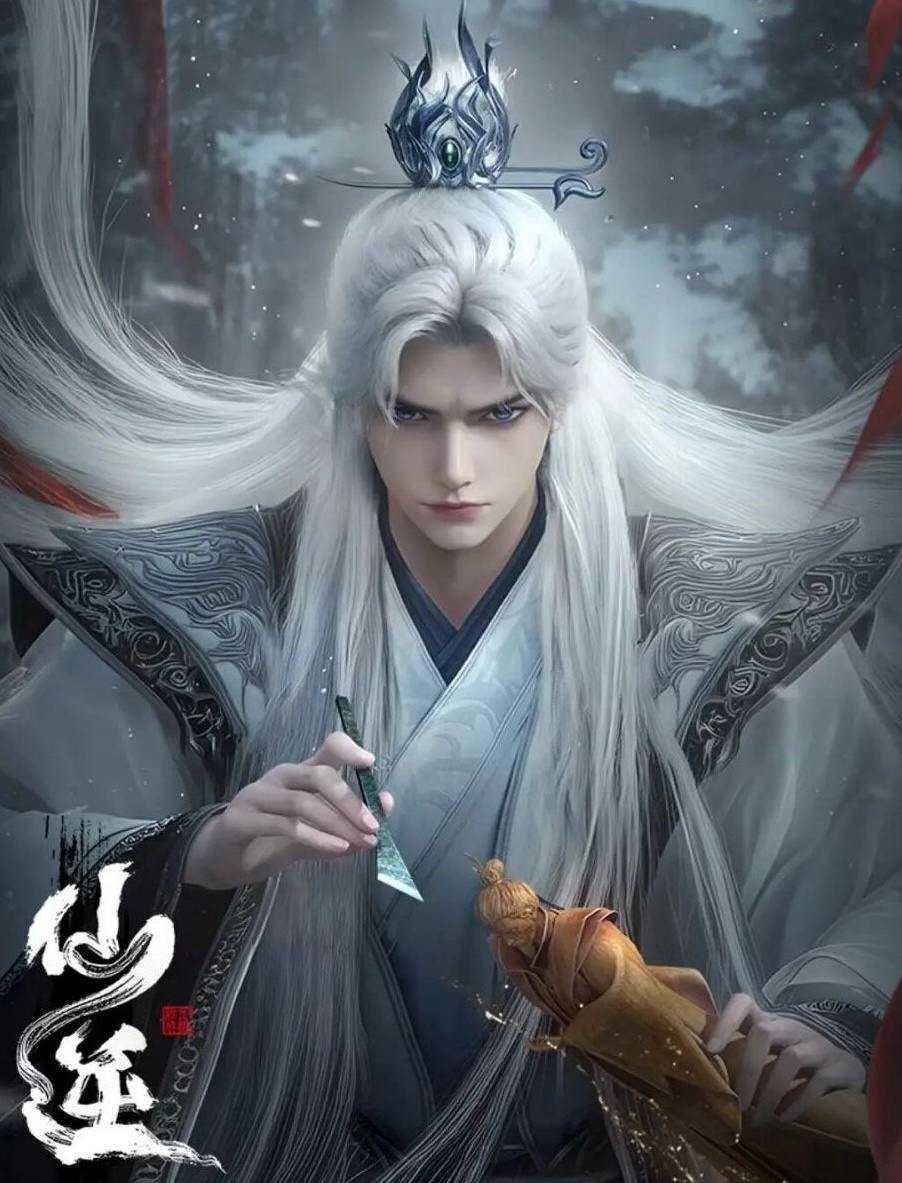
Renegade Immortal is the only show that appears on both our domestic and global rankings — and that overlap is the story of 2026. In China, it's the undisputed #1 male-oriented donghua by cloud data. Overseas, it's the fastest-growing donghua in Japan, a market that has historically been indifferent or hostile to Chinese animation. That both things can be true simultaneously is unprecedented.
The Japan Breakthrough
Japan's anime industry doesn't need donghua. It has the world's most established animation pipeline, the deepest talent pool, and a domestic audience that is famously reluctant to embrace foreign animation. For a Chinese series to not just exist in Japan but grow there — accumulating a stable MAL score while its discussion threads on Japanese forums expand month over month — requires something special.
That special thing, we think, is Wang Lin himself. Revenge-driven protagonists are not new to Japanese audiences — Berserk, Vinland Saga, and 91 Days all center on vengeance. But Wang Lin's revenge is different in texture. It's not a white-hot rage that burns out in a season. It's a cold, patient, multi-decade project. He doesn't confront his enemies. He waits. He cultivates in secret. He returns when they've forgotten he exists. The pacing is slower, the satisfaction more delayed, the emotional register more muted — and for Japanese viewers accustomed to shonen protagonists who wear their hearts on their sleeves, this restraint feels like a different genre entirely.
The MAL score stability is the metric that matters most here. MyAnimeList users are not generous with donghua. The platform's user base is overwhelmingly anime-focused and skeptical of Chinese productions. When a donghua holds a score above 8.0 on MAL for months, it means the people who were predisposed to dislike it couldn't find a reason to. Renegade Immortal's MAL performance is quietly one of the most significant data points in donghua's international trajectory.
Why it matters for you: Renegade Immortal is the donghua to recommend to anime fans who think they don't like cultivation stories. Wang Lin's patient, pragmatic approach to power will feel familiar to fans of Death Note or Code Geass — protagonists who win through planning, not screaming. Start from episode 1. The build is slow and essential.
What These Five Tell Us About Donghua's Global Future
Look at the five shows together and a pattern emerges:
- Soul Land wins through accessibility — simple worldbuilding, universal emotions, massive volume.
- Scissor Seven wins through distribution — Netflix's global infrastructure puts it in front of audiences who would never seek out donghua.
- A Mortal's Journey wins through depth — a small, passionate audience that values complexity over accessibility.
- Perfect World wins through virality — fight scenes built for short-form sharing, transcending language barriers through spectacle.
- Renegade Immortal wins through crossover appeal — a protagonist and tone that feel legible to anime audiences while remaining unmistakably donghua.
There is no single formula for overseas success. The donghua industry's international future depends on pursuing all five of these strategies simultaneously — and on understanding that audiences in Thailand, Brazil, Saudi Arabia, and Japan want different things from the same medium.
And the domestic #1 is also the global dark horse. Renegade Immortal's dual dominance — Chinese cloud data champion and Japanese breakout — is the data point that should make every donghua producer reconsider their international strategy. The next global hit might not be the show designed for international audiences. It might be the show that's already winning at home.